If you've been near a technical conversation lately, you've heard "Docker" and "containers" thrown around like everyone's in on it. Behind the jargon is a genuinely useful idea that solves one of software's oldest, most maddening problems.
The problem: software that runs perfectly on the developer's machine and breaks the moment it moves anywhere else. "It works on my computer" has cost the industry untold hours.
What a container actually is
A Docker container packages an application together with everything it needs to run, the right versions of every dependency, sealed in a standard box. That box runs the same way on a laptop, a test server, or in the cloud. No more "but it worked here."
- Consistency — the same environment everywhere, from a developer's laptop to production.
- Isolation — apps in separate boxes that don't trip over each other.
- Portability — move the box between machines and cloud providers without drama.
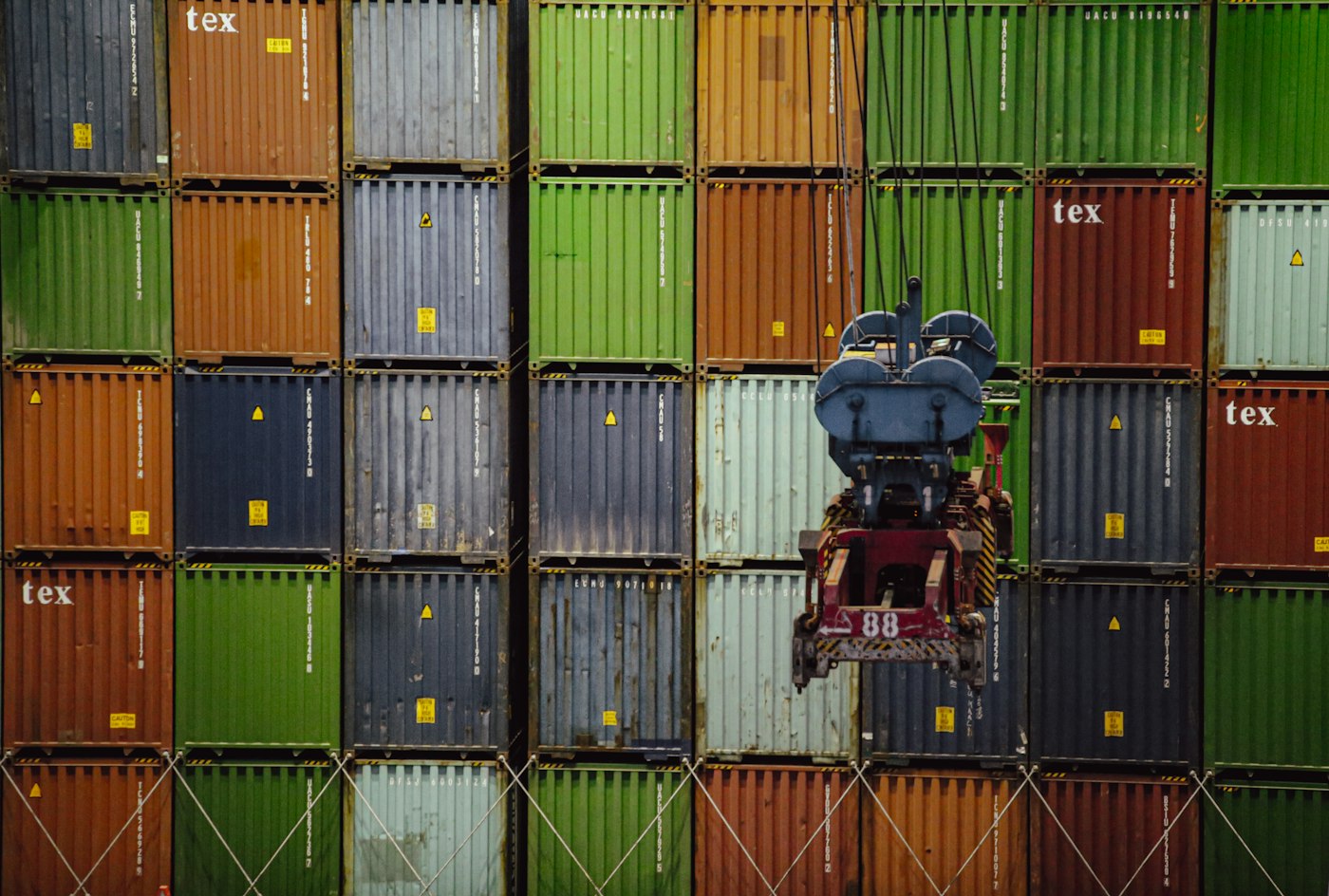
A shipping container let any port handle any cargo without repacking. Docker does the same for software, which is exactly where it got the name.
Why it matters to you
You don't need to run Docker yourself. But when your software is containerised, it's more reliable, easier to move, and quicker to recover when something fails. It's one of those invisible engineering choices that quietly makes everything downstream steadier, and worth understanding when it appears in a proposal.