Most data problems are presented as reporting problems. The dashboard is wrong, the stock figure is out, the report takes three days to produce. Almost always, the fault is much further upstream: somebody wrote something on a piece of paper, and somebody else typed it in later, and one of them was in a hurry.
You cannot fix at the end of the process what went wrong at the beginning of it. The cheapest, cleanest data is the data nobody had to type.
Why typing is the weak link
Human transcription is roughly as accurate as you would expect from a person doing something boring under time pressure. A digit gets transposed. A code gets guessed. A batch number is close enough. Individually, none of it matters. Collectively, it is why nobody trusts the stock report.
Worse is the delay. Data written now and captured on Thursday means that until Thursday, the system is confidently wrong. Every decision made in between is based on a version of reality that has already moved on.
Barcodes, QR codes, and which to use
The technology here is old, cheap and thoroughly solved, which is exactly why it is worth using.
- Barcodes hold a short identifier and are ideal for high-volume, repetitive scanning: stock items, shelf locations, picking. They need a reasonably clean, flat label and a decent scan angle.
- QR codes hold much more, survive damage and partial obscuring far better, and can be read from a phone camera at an awkward angle. They suit assets, equipment, rooms, vehicles and anything that lives in the field.
- Phones instead of scanners. For most small teams, a phone app is enough and costs nothing extra. Dedicated scanners earn their place at real volume, in cold stores, or where nobody should be holding a personal phone.
- NFC and RFID come into their own when items must be read without line of sight or in bulk. Powerful, more expensive, and rarely the right first step.
A QR sticker costs a few cents and removes an entire category of argument. There are not many technology decisions with that ratio.
Where it pays off fastest
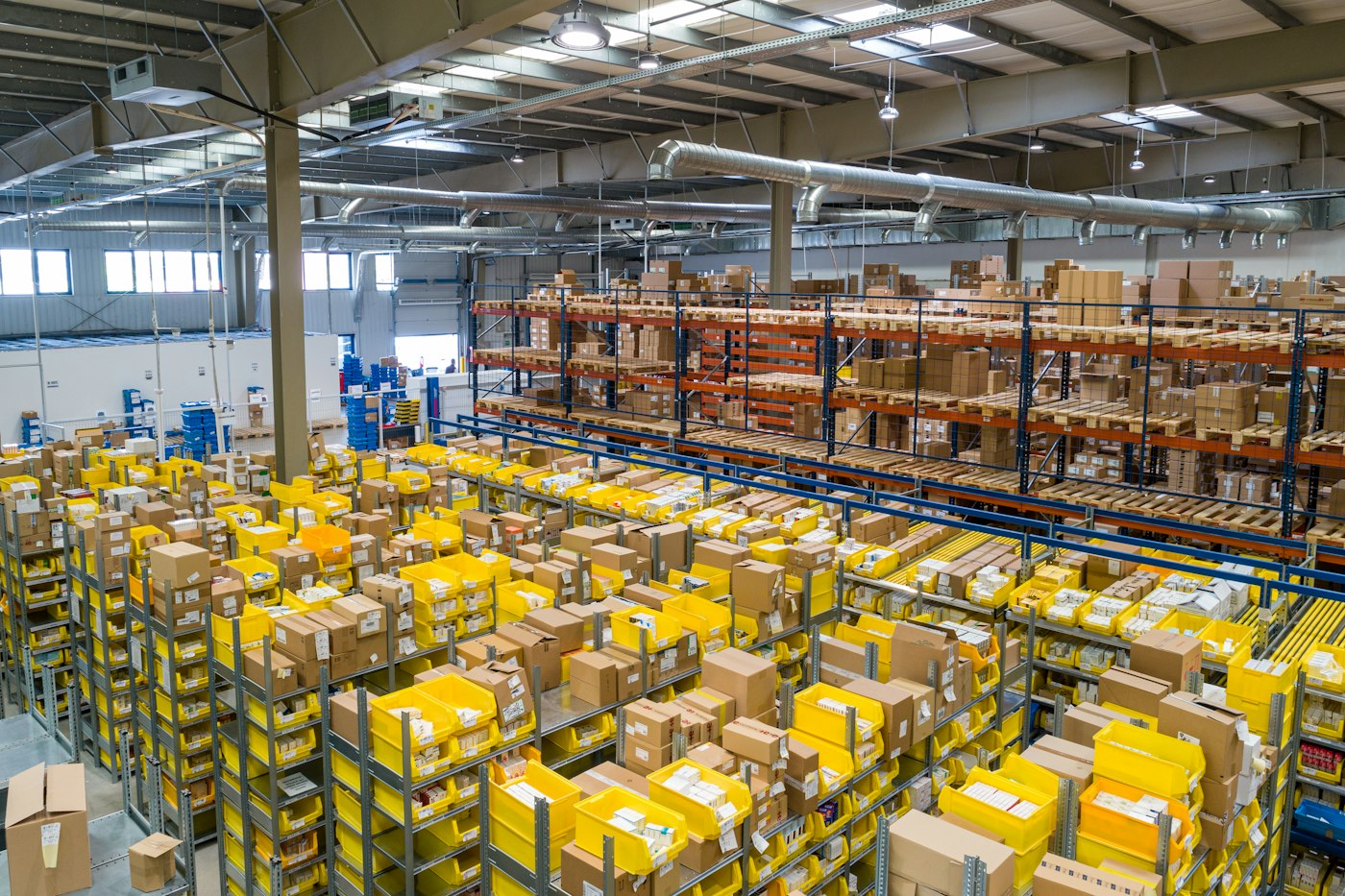
Stock is the obvious one, and the returns are immediate: receiving, picking, dispatch and cycle counts all become scans rather than sheets. But the less obvious uses are often better value. Tag your equipment and every service, inspection and breakdown attaches to a specific asset rather than to "the blue generator". Tag site locations so a technician's check-in proves attendance without a phone call. Put a QR on a delivery note so the customer's signature lands in your system while the driver is still at the gate.
It also works for things that were never stock at all. A QR code on a machine linking to its manual and fault-log form. A code on a meeting-room door for reporting a problem. A code on a file box so an archive can be found again in under a minute.
The rule of one scan
If a task takes more than one scan and one tap, it will get skipped when things are busy. Design the capture around the person doing the work, not around the completeness of your data model. A field you always get is worth more than three fields you sometimes get.
Getting it right
A few things separate the installations that stick from the ones abandoned in a drawer. Label quality matters more than people expect: a printed sticker on a dusty pallet in the sun has a hard life, and a label that will not scan trains people to type instead. Decide up front what the code identifies, the physical item or the thing it holds, because getting that wrong is painful to undo. Make sure scanning works when the connection does not, queuing locally and syncing later. And test with the person who will actually do it, wearing gloves, in the real light, on a bad day.
The payoff downstream
None of this is exciting. It is stickers and scanning, and it will never make a strategy slide. But it is the foundation the interesting things stand on. Accurate stock makes forecasting possible. Reliable asset history makes maintenance planning possible. Timestamped capture makes traceability possible. Every dashboard, every automation and every AI model you might eventually want is downstream of somebody, somewhere, recording what actually happened.
Get the capture right and the rest gets much easier. Get it wrong and you spend years building ever-cleverer reports on top of numbers nobody believes.