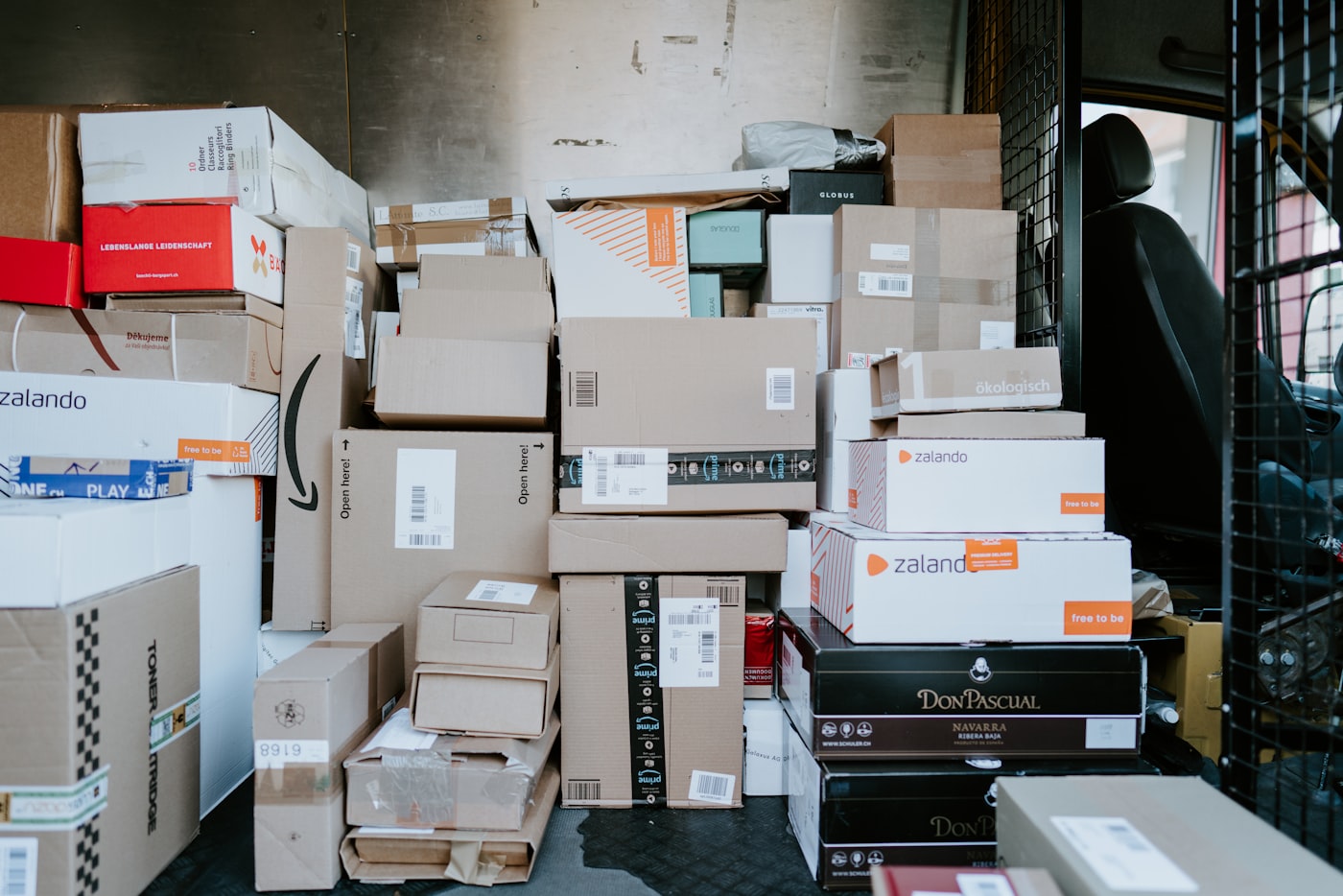
The launch goes well. The site looks good, the payment gateway works, the social posts go out, and by lunchtime the first orders arrive. Everyone is delighted. By the end of the second week, the mood has changed. Three customers have paid for items that are not in stock. A courier has not collected for two days. The general mailbox has forty unanswered questions. Someone in the shop sold the last two units of the bestseller that the website also sold. And the owner is asking why the bank deposits do not match the orders.
None of these is a website problem. They are what happens when a business adds a new sales channel and treats it as a marketing project. An online store is a second shop, open all night, with customers who cannot see your shelves and expect a reply within hours.
What go-live tends to reveal
Stock is the first thing to break
If the website has its own stock count and the shop or warehouse has another, they will disagree within days. Every sale in one place that is not instantly reflected in the other is a future cancelled order. Online customers forgive a slow delivery far more easily than a "sorry, it's actually out of stock" email after they have paid. The underlying lesson is the one in our piece on stock you can trust: one stock figure, updated live, with every channel selling from it.
Fulfilment is a job, not a favour
Picking, packing, labelling, booking the courier, handling the collection that did not happen. Before launch it is easy to assume "the shop staff will do it in quiet moments". There are rarely quiet moments when orders, walk-in customers and deliveries all compete. The businesses that cope well name a person, a packing area, a daily cut-off time and a courier collection schedule before the first order arrives.
Customer service moves into the inbox
Where is my order? Can I change the size? Do you deliver to Polokwane? Why did I not get a confirmation? Online customers ask in writing, at all hours, and judge you on response time. If no one owns the inbox and the WhatsApp line, they go unanswered, and the store's reviews show it. Make sure your order confirmations actually arrive too; emails landing in spam generate a surprising share of "where is my order" queries.
The money needs reconciling
A payment gateway pays out net of fees, in batches, on its own schedule, with refunds and chargebacks netted in. The deposit in the bank never matches a single order. Without a clear process to reconcile payouts to orders, the books drift quickly. Our guide to payment gateways in South Africa covers the options; whichever you choose, make sure the reconciliation is someone's job.
Returns arrive
Online shoppers return more than walk-in customers, and South African consumer law gives them rights to do so. A returns policy written before launch, and a process for checking, restocking and refunding, prevents the pile of "what do we do with these?" parcels under the counter.
The website is the part of an online store that customers see. The operation behind it is the part they remember.
The impact on the business
Done well, an online store genuinely changes a business. It reaches customers outside your area, sells while the doors are closed, and gives you data about what people browse as well as what they buy. But it also changes things that are easy to overlook in the excitement:
- Staff workload shifts towards packing and written communication, and roles need adjusting.
- Stock holding may need to rise for lines that sell well online, which ties up cash.
- Margins carry new costs: gateway fees, courier costs if delivery is "free", packaging, returns.
- Pricing needs a decision: same price as in store, or different, and how to handle specials in both.
Those are business decisions, which is why the online store needs a business owner, not just a web developer.
Run a soft launch
Before announcing the store publicly, open it to staff, friends and a few loyal customers for two or three weeks. Have them place real orders with real payments, request a return, ask questions by email and WhatsApp, choose different delivery areas. Every problem that surfaces at ten orders a week is a problem that would have cost you reviews at a hundred.
How to do it better next time
- Start from the operation. Map an order from click to doorstep, and a return from doorstep back to the shelf. Name who does each step. Only then choose the platform: Shopify, WooCommerce or another.
- One stock figure. Connect the store to your POS or stock system so that every channel reads and updates the same number. If that is not possible at launch, list a safety buffer online rather than your full stock.
- Clean the product data first. Names, descriptions, sizes, weights for courier rates, photos. Messy product data is the most common reason launches slip.
- Test the unhappy paths. Declined card, partial refund, out-of-stock item, wrong address, failed courier collection. These are the cases that generate the angry emails.
- Set service standards. A reply within a stated time, a dispatch cut-off, a published delivery estimate, and someone covering weekends if you sell over weekends.
- Watch the numbers weekly. Orders, cancellations, average dispatch time, return rate and the fees taken by the gateway and courier. They tell you whether the channel is actually profitable.
Our trade-portal case study shows the same principle in a B2B setting: the portal mattered, but the gains came from what changed behind it.
The launch is the start
A store that went live a little too fast is not a disaster. Most of these problems are fixable in weeks once they are named. The lesson is to treat the next launch, or the next big change to the store, as a change to how the business operates. Plan the people, the stock and the money first, and the website will be the easy part, which is exactly what it should be.